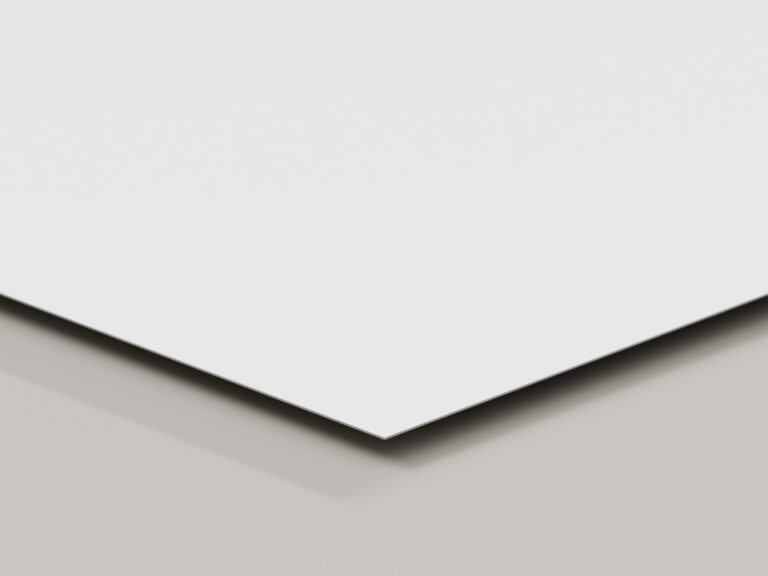
Aluminum
Lightweight, corrosion-resistant metal for flat exterior signage, dimensional letters, and fabricated sign components. Accepts paint and powder coating consistently and performs well in long-term outdoor applications.
Rigid materials form the structural foundation of many signs and displays. Each offers different strengths in durability, appearance, fabrication, and cost. Environment, lifespan, and installation method help determine the right choice.
Lightweight, corrosion-resistant metal for flat exterior signage, dimensional letters, and fabricated sign components. Accepts paint and powder coating consistently and performs well in long-term outdoor applications.
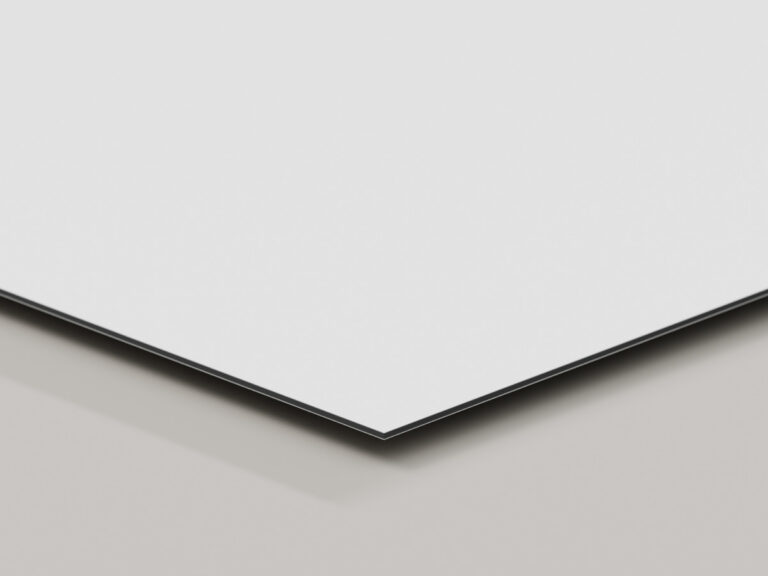
Rigid panel with two thin aluminum faces bonded to a polyethylene core. Lightweight and flat, making it well suited for exterior signage, wall panels, directional signs, and other large-format applications.
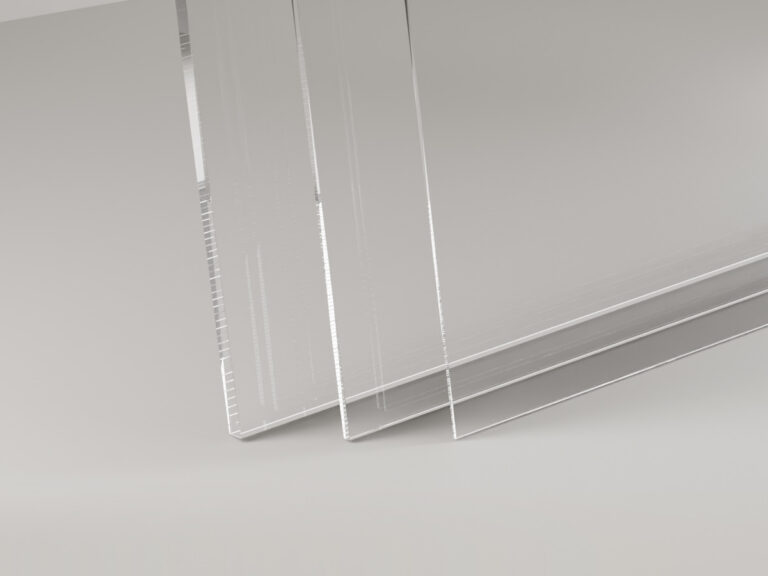
Clear or colored thermoplastic with a smooth, polished appearance for illuminated signs and dimensional logos. Available in a wide range of thicknesses and surface finishes.
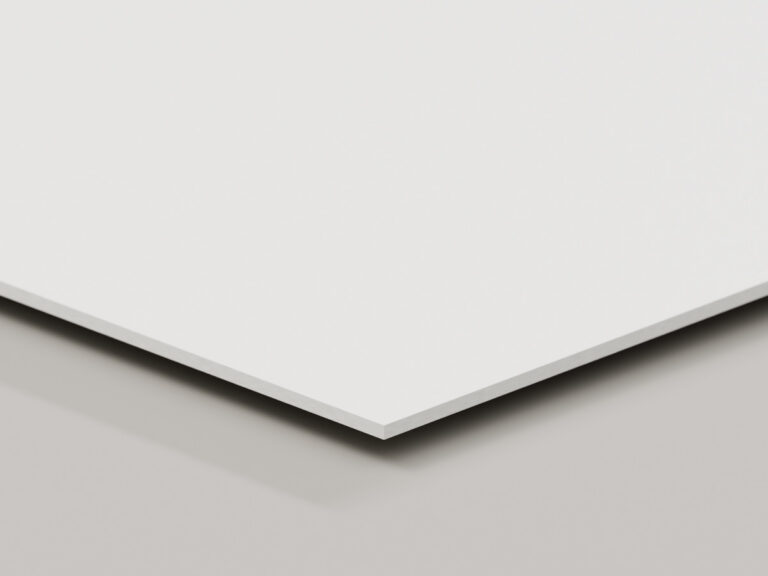
Lightweight PVC foam board with a smooth surface and consistent density for directional signage, displays, and dimensional elements. Easy to fabricate with painted or vinyl-applied graphics.
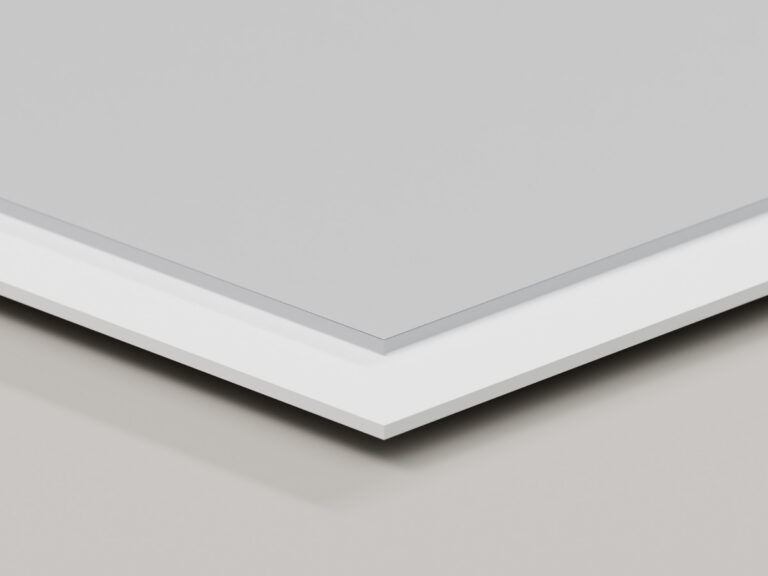
Impact-resistant thermoplastic for high-traffic or vandal-prone environments. Stronger than acrylic and commonly used for protective glazing and signage where durability is critical.
Thin, lightweight plastic sheet for interior signs, displays, inserts, and other short-term applications. A cost-effective rigid material when low weight and easy handling are priorities.
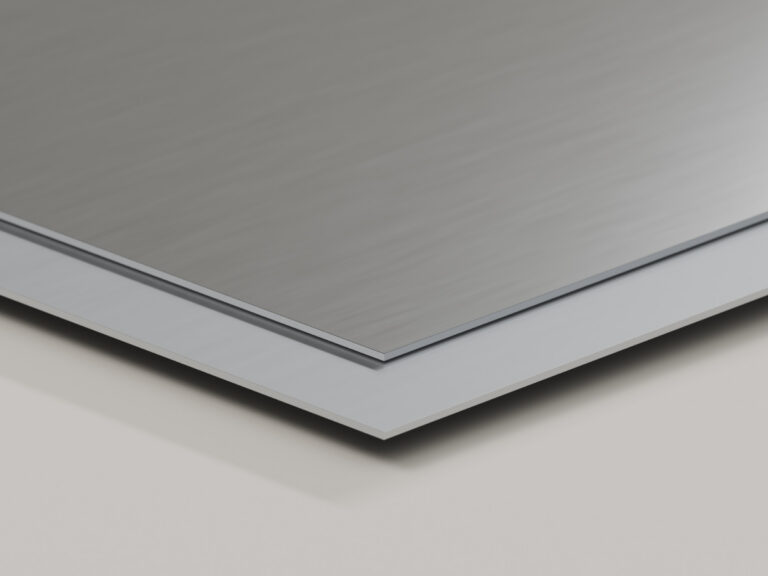
Structural metals for maximum strength and longevity in architectural applications. Steel can be powder coated for outdoor durability, while stainless steel provides a natural metallic finish with strong corrosion resistance.
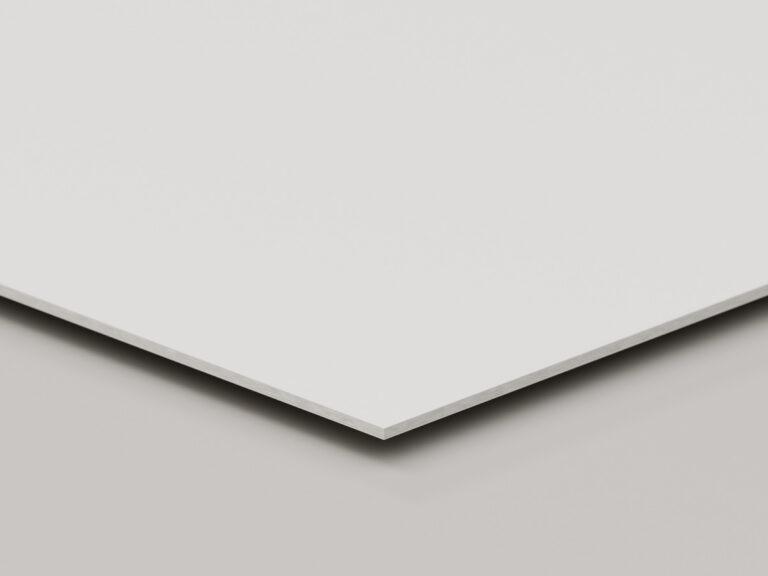
Lightweight display board with a foam center between smooth paper faces. Common for presentations, interior displays, mounted graphics, and temporary signage where low weight and a clean finished surface are important.
Flexible substrates accommodate curved surfaces, wall coverage, vehicle applications, and temporary installations. Material choice affects conformability, durability, and application method, while indoor or outdoor use helps determine the right substrate.
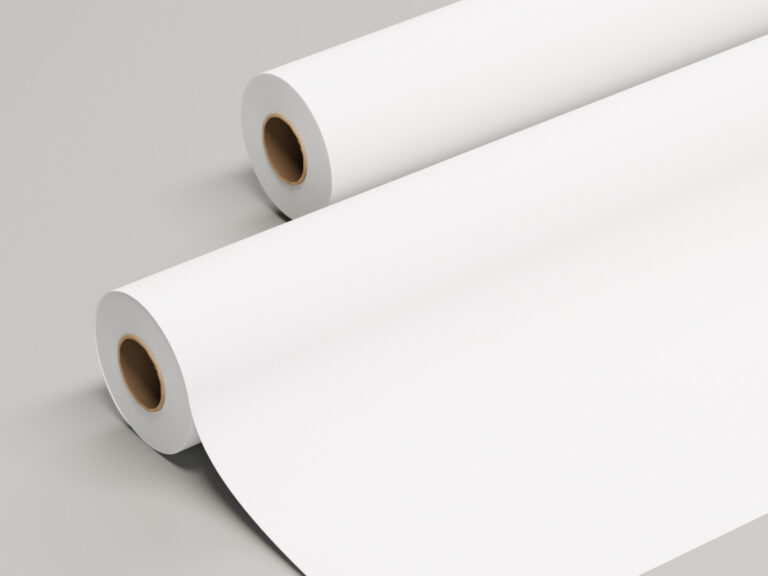
Canvas print material stretched and wrapped over a wooden frame for interior graphics and artwork reproduction. Provides a textured, finished appearance for offices, hospitality, retail, and other interior environments.
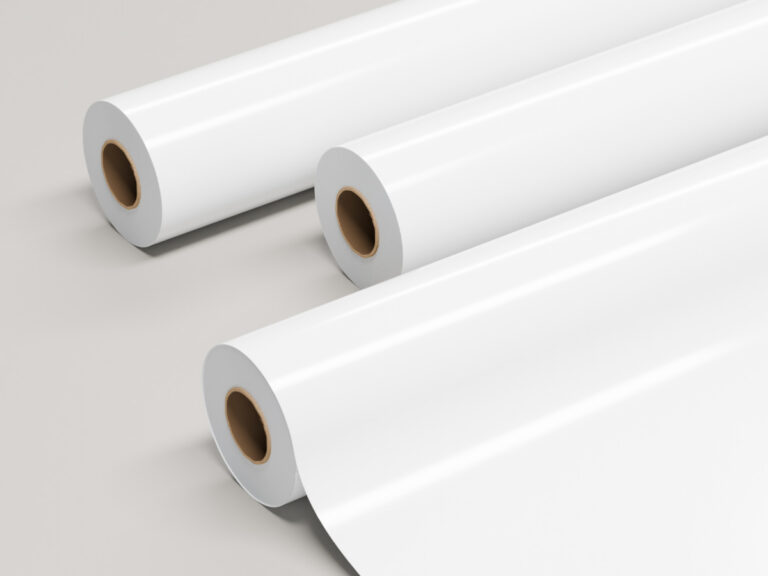
Premium vinyl film with 5–7 year outdoor durability, ideal for vehicle wraps and complex curves. Thin and conformable, with a wide range of colors and finishes available.
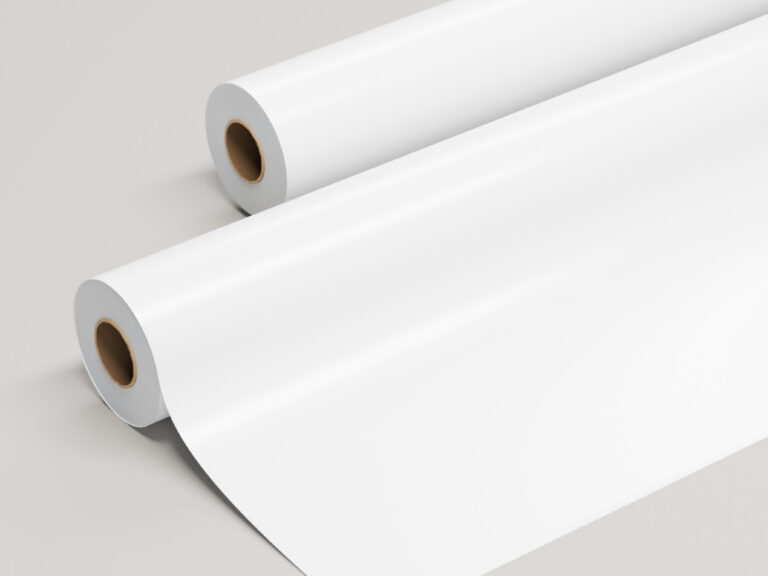
Economical vinyl film for flat surfaces, window graphics, and shorter-term applications with 1–3 year outdoor durability. A cost-effective option when high conformability is not required.
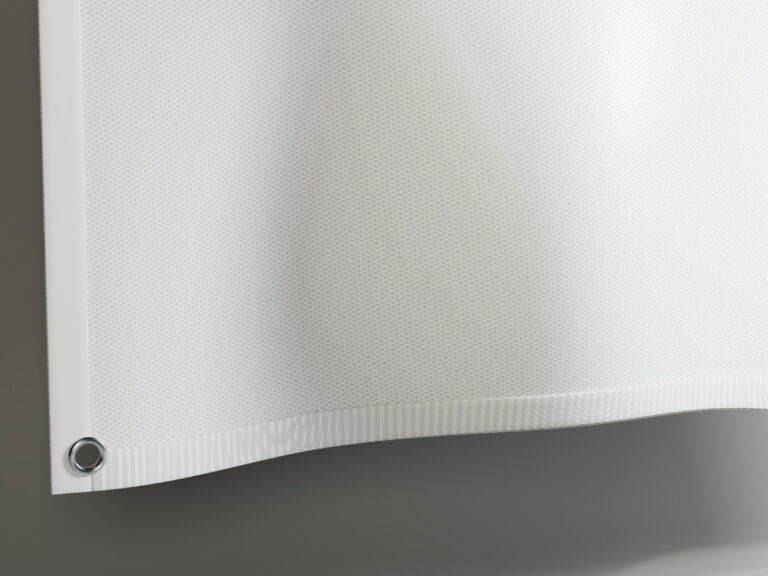
Heavy-duty vinyl with internal scrim reinforcement for outdoor banners and building wraps. Provides dimensional stability and tear resistance for extended outdoor use.
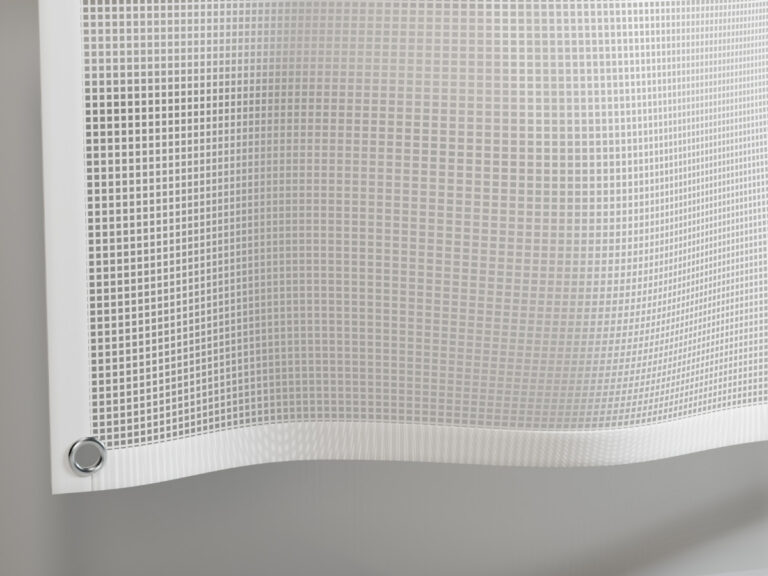
Open-weave banner material that allows wind to pass through while maintaining graphic visibility. Reduces wind load on large outdoor installations, building graphics, and construction fencing.
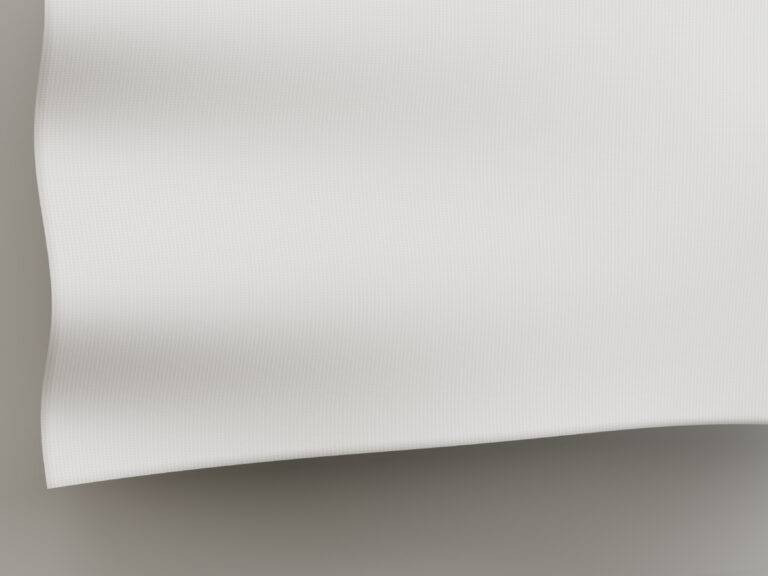
Dye-sublimated textile material for interior graphics, trade show displays, backdrops, and other soft-signage applications. Lightweight construction and vibrant printed graphics make it well suited for large displays that need to be transported or changed frequently.
Specialty materials solve specific needs beyond standard rigid and flexible substrates. Privacy, visibility, surface type, environment, and whether the installation is temporary or permanent help determine the right choice.
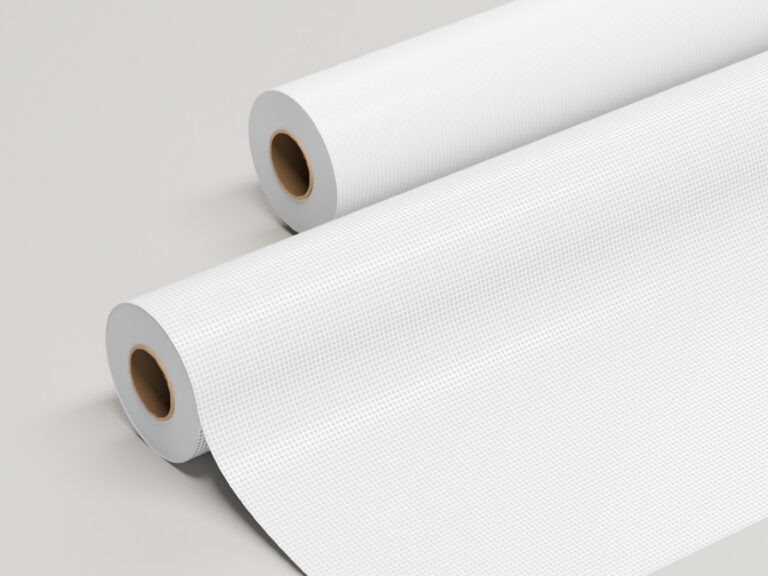
Perforated adhesive vinyl that maintains outward visibility from the interior while displaying graphics externally. Used for vehicle windows and storefronts where outward views need to be maintained.
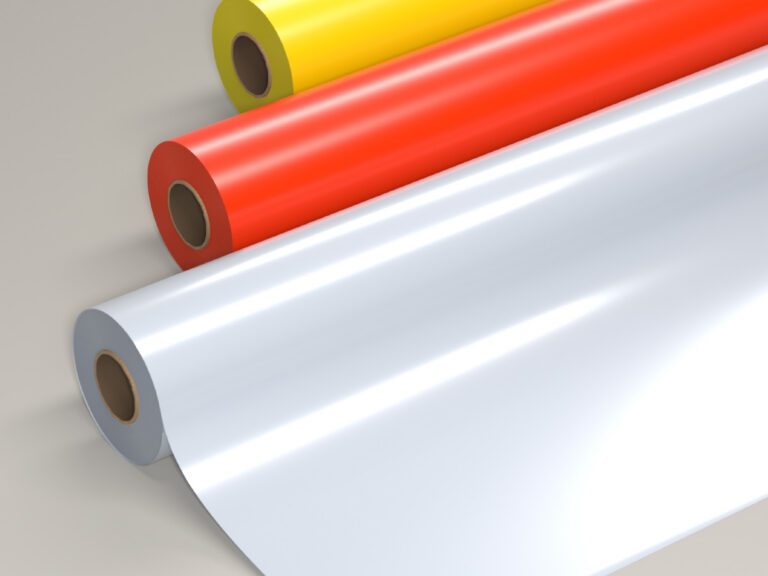
Microprismatic or glass-bead vinyl with 5–7 year outdoor durability designed to improve visibility in low-light conditions. Common for safety, identification, vehicle, and traffic-related applications where reflectivity is needed.
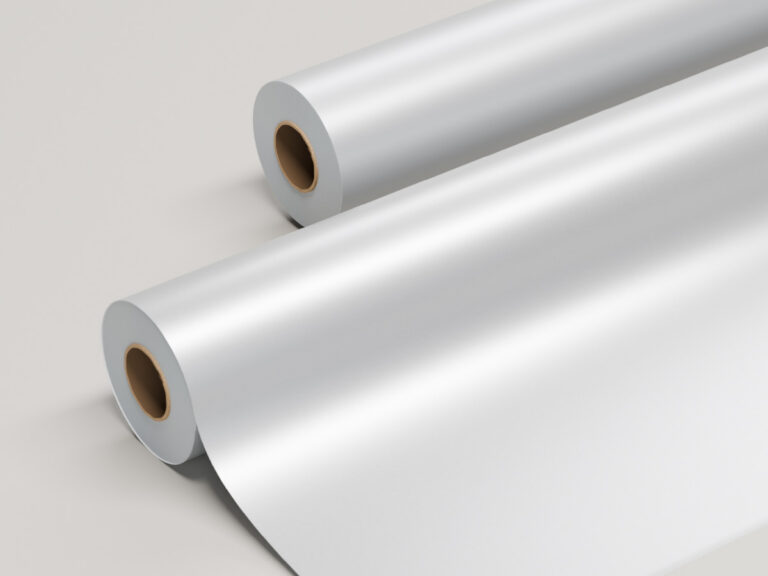
Translucent window film that provides privacy while allowing natural light transmission. Available in varying levels of opacity for office partitions, conference rooms, storefronts, and retail environments.
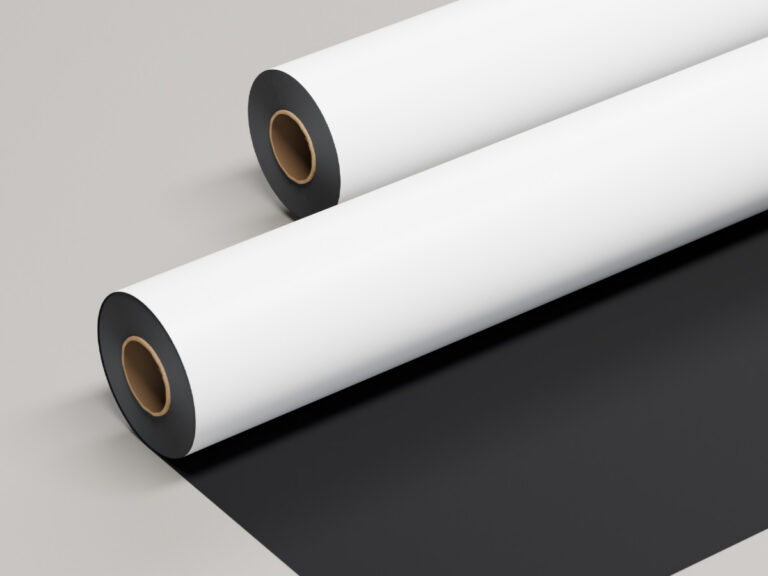
Flexible magnetic sheeting that accepts applied graphics or direct printing for temporary and removable signage. Common for vehicle graphics and other ferrous metal surfaces where the message needs to be changed or removed without adhesive.
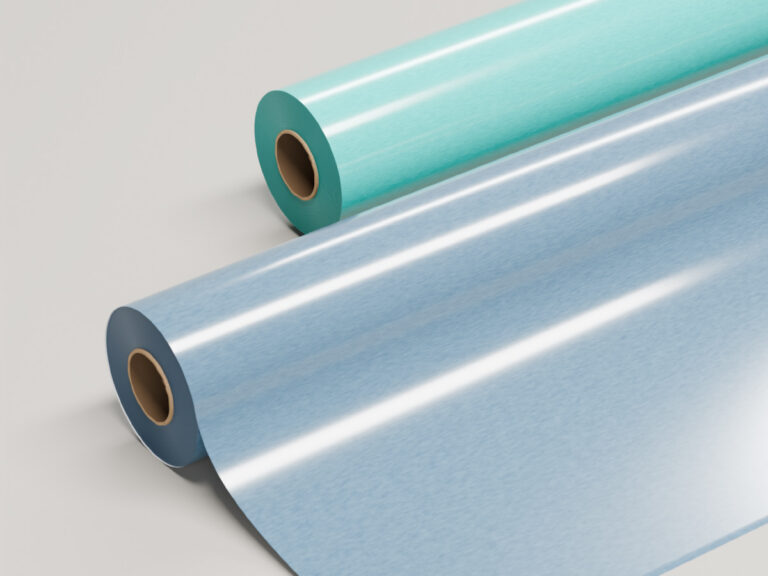
Conformable adhesive film for vehicle wraps, fleet graphics, and other surfaces with curves and contours. Available in a wide range of colors and finishes for full or partial wraps and custom graphic applications.
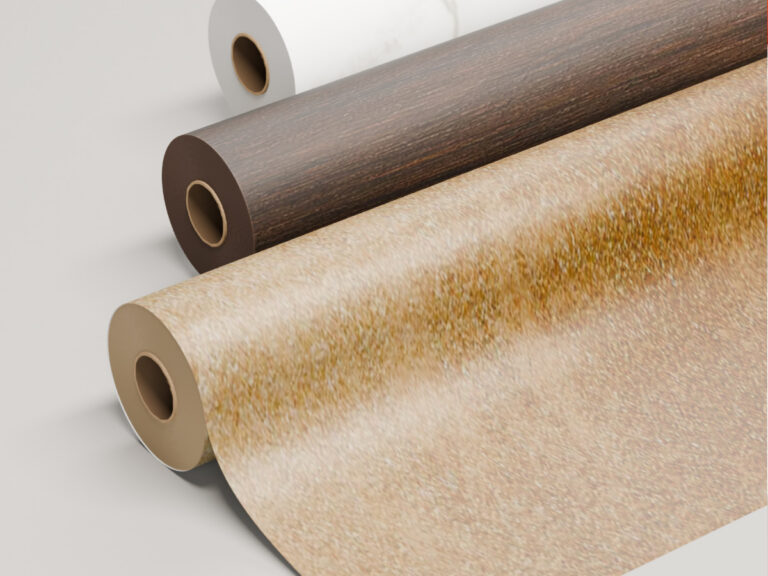
Architectural surface film that recreates the appearance and texture of materials such as wood, metal, stone, and fabric. Used to transform walls, doors, millwork, fixtures, and other interior surfaces without replacing the underlying material.
Material selection depends on where the finished piece will be used, how long it needs to last, and how it will be installed—not appearance alone.
Outdoor and demanding environments require materials selected for moisture, sunlight, temperature changes, and other exposure. Aluminum, stainless steel, ACM, and other durable substrates are common choices, while interior applications allow a broader range of materials.
Temporary signs and displays can take advantage of lightweight, economical materials such as foam core and polystyrene. Longer-term applications may benefit from aluminum, ACM, acrylic, or other durable substrates selected for the environment.
Size, mounting method, and installation location affect how rigid and structurally stable a material needs to be. Larger panels and permanent installations often require substrates that maintain their shape and flatness over time.
Tell us where it's going, what it needs to do, and how long it needs to last. We'll help you choose the right material for the job.