
Cutting & Trimming
Precision cutting brings printed materials to their finished size with clean, consistent edges. Used across business cards, postcards, flyers, brochures, booklets, and most other printed pieces.
The final size and shape can be as important as what’s printed on the sheet. Cutting and shaping take a printed piece from the press sheet to its finished form.
Precision cutting brings printed materials to their finished size with clean, consistent edges. Used across business cards, postcards, flyers, brochures, booklets, and most other printed pieces.
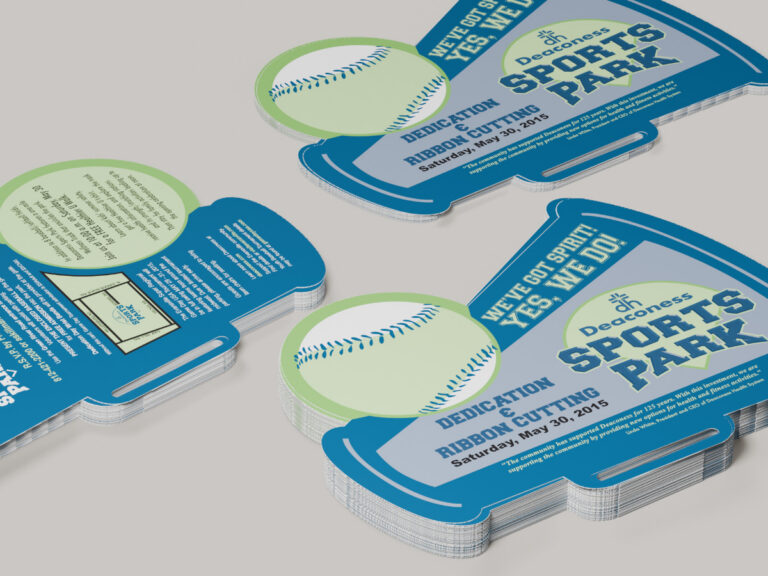
Custom cutting creates shapes, openings, tabs, and other details beyond standard straight edges. Common for presentation folders, door hangers, cards, promotional pieces, and custom print applications.
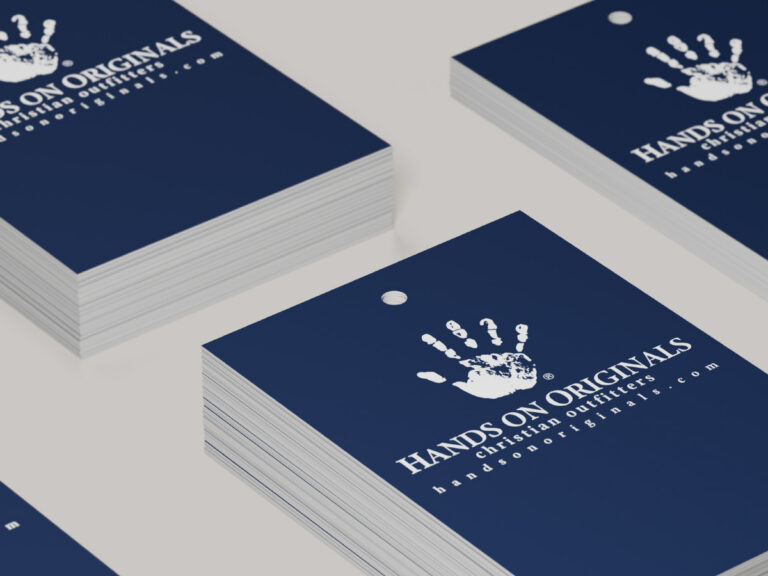
Adds clean, consistent holes to printed materials for binders, tags, manuals, hanging applications, and other functional uses.
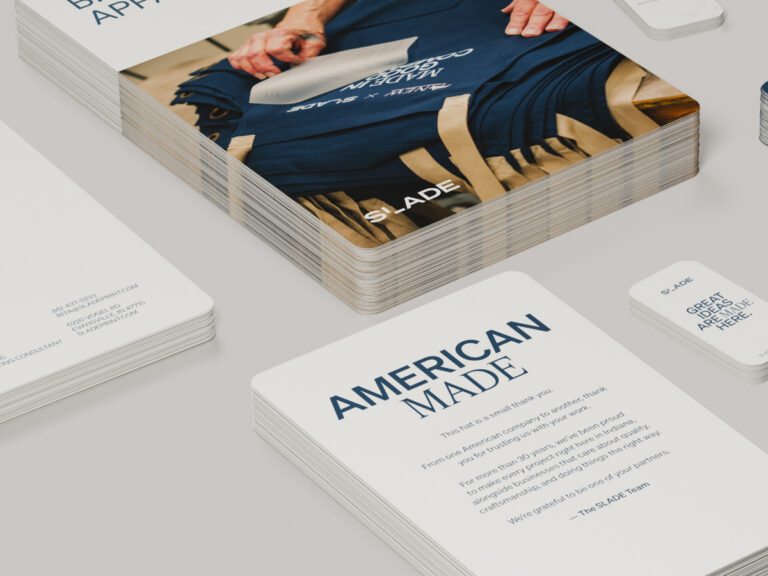
Softens standard square corners for cards, covers, handouts, and other printed pieces where a rounded profile is part of the finished design.
Folds and structural details determine how a printed piece opens, reads, and functions. The right combination can turn a flat sheet into a brochure, mailer, form, or other finished format.
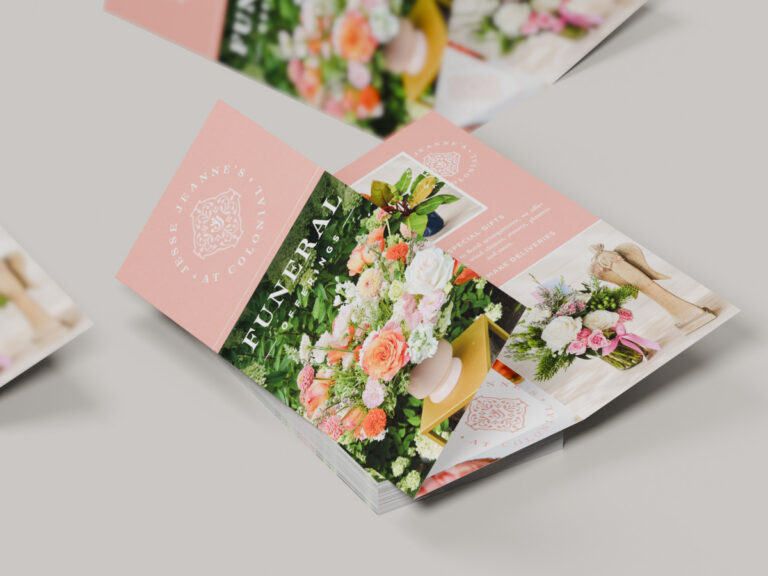
Converts flat printed sheets into brochures, newsletters, inserts, mailers, and other finished formats. Available in multiple fold configurations depending on the size, content, and application.
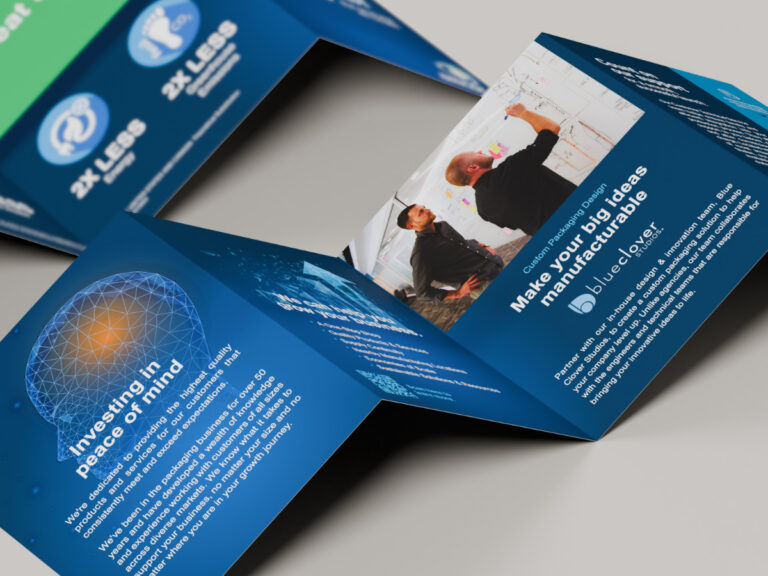
Creates a controlled crease before folding to help heavier stocks fold cleanly and accurately. Common for cards, folders, covers, brochures, and other pieces where cracking or uneven folds need to be minimized.
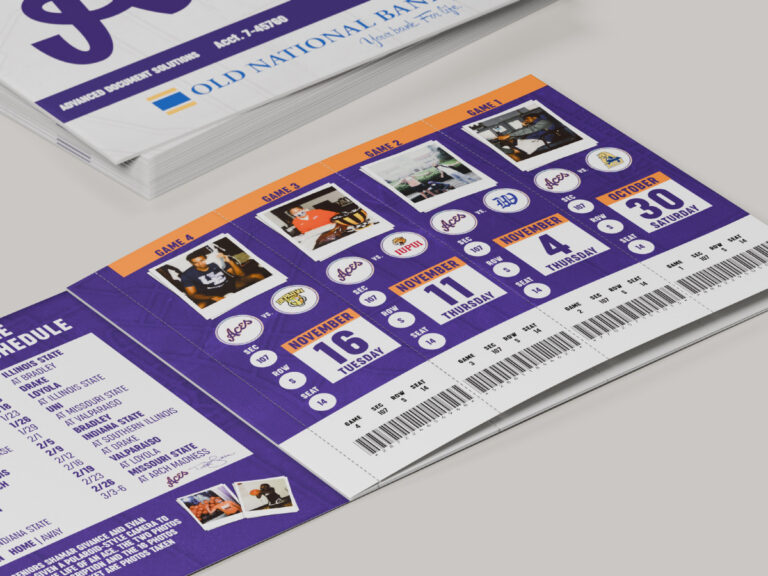
Creates a controlled tear line for removable sections. Common for forms, tickets, coupons, reply pieces, and documents designed to separate cleanly.
Binding brings individual pages together into a finished publication. The right method depends on page count, how the piece will be used, and how it should open and handle.
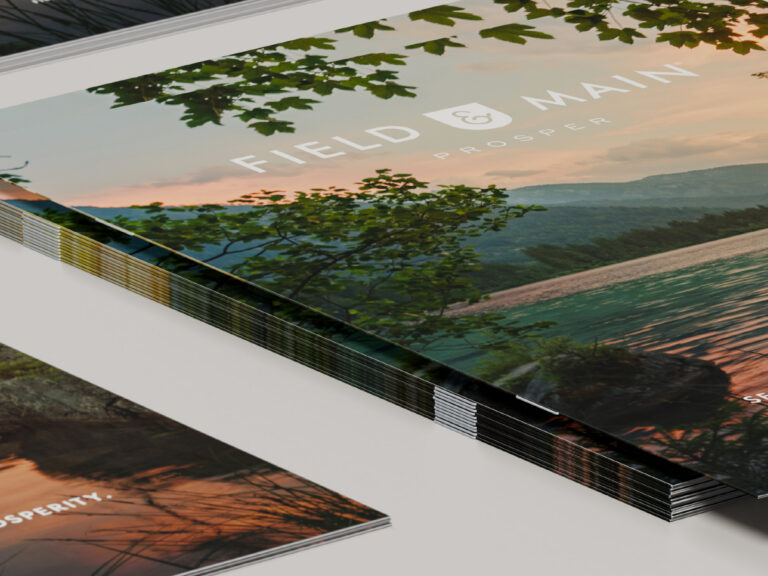
Folded sheets nested and stapled along the spine to create booklets, programs, catalogs, newsletters, and other multi-page pieces.

Pages and cover are bound along a flat spine for a clean, book-like finish. Well suited for thicker catalogs, manuals, reports, and publications.
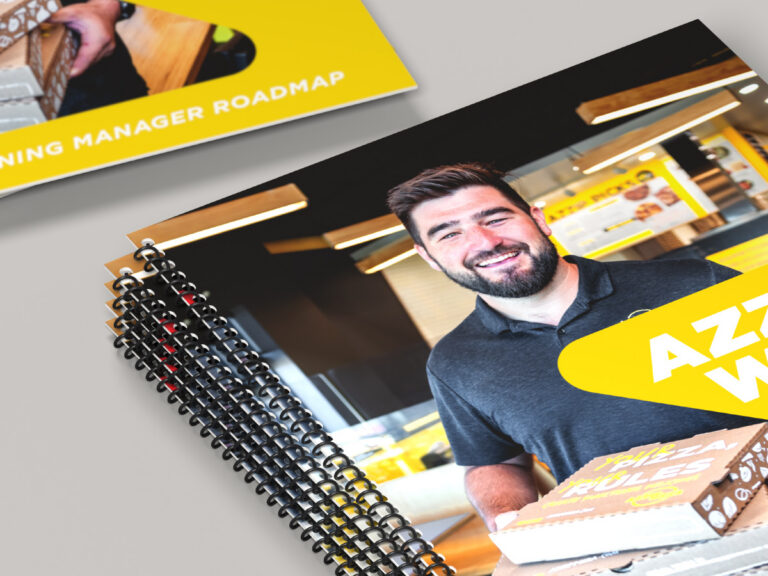
Pages are punched and secured with a continuous plastic coil, allowing the finished piece to open flat and turn easily. Common for manuals, guides, training materials, and frequently handled documents.

Pages are secured with a double-loop wire binding for a clean, finished appearance and lay-flat functionality. Common for presentations, manuals, notebooks, and calendars.
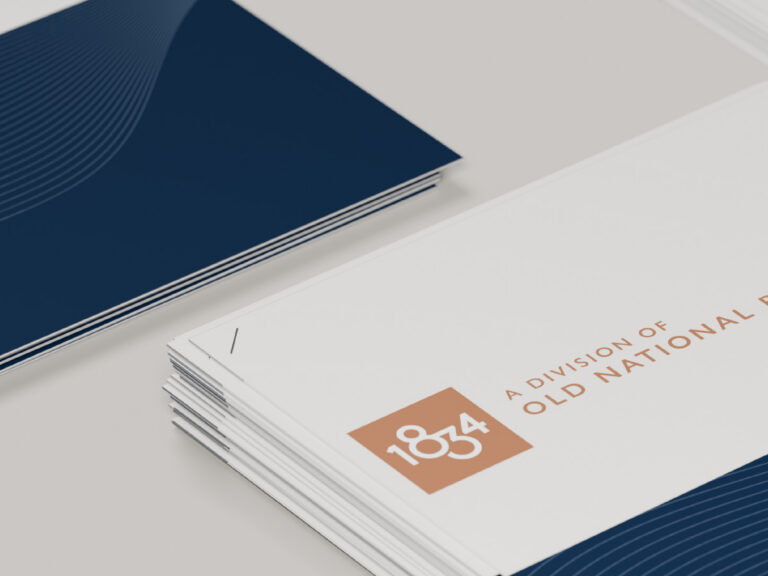
Secures loose sheets or smaller document sets where a full binding method isn’t necessary.
Finishing can add durability, function, or a more complete presentation to the printed piece.
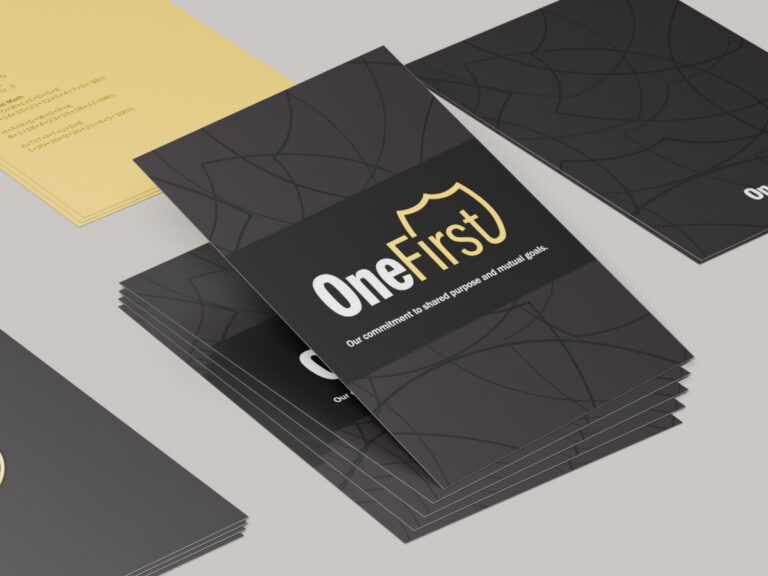
Adds a protective film to printed materials for increased durability, moisture resistance, and repeated handling. Common for menus, reference materials, cards, signs, and frequently used documents.
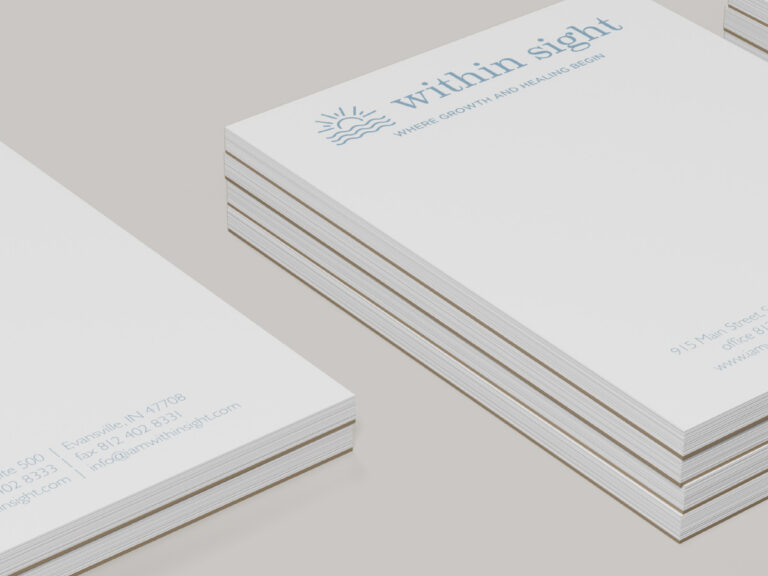
Binds individual sheets along one edge with removable adhesive to create notepads, forms, order pads, and other tear-away applications.
Finishing isn’t simply what happens after printing. It affects how the piece opens, handles, holds up, and ultimately gets used.
Folding, binding, perforating, drilling, and other finishing methods can turn a printed sheet into a piece designed for a specific job.
Binding, lamination, material selection, and construction can help printed pieces stand up to repeated handling and longer-term use.
Cutting, shaping, folding, and binding influence how a finished piece looks and feels before anyone reads a word.
From the first cut to the final fold or binding, we'll help you choose the finishing methods that make the printed piece work the way it should.