Made your way.

Decoration Methods

Two production methods give us flexibility across everything from high-volume apparel programs to detailed, full-color graphics.

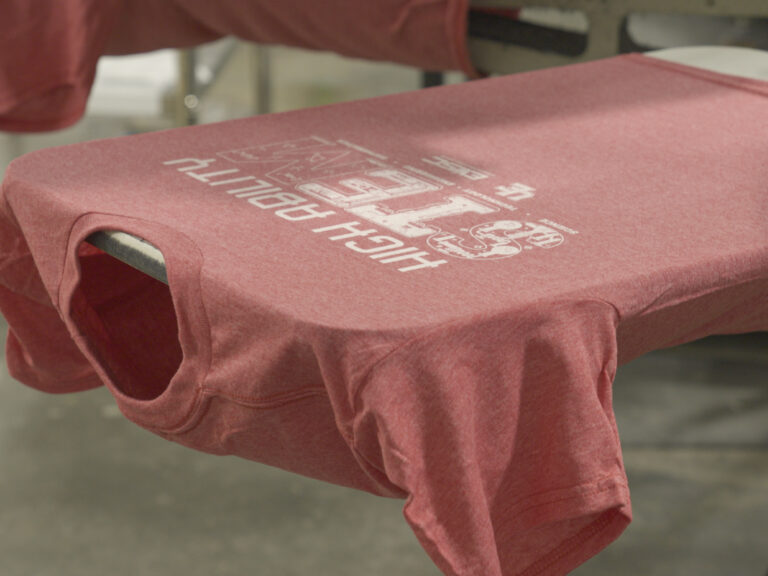
  • Muted red T-shirt stretched over a printing platen with a white graphic on the front.

    Screen Printing

    Ink is applied directly to the garment through individual screens, with each color separated as part of the production process. Well suited for larger quantities, repeat programs, and designs where consistent color reproduction matters.
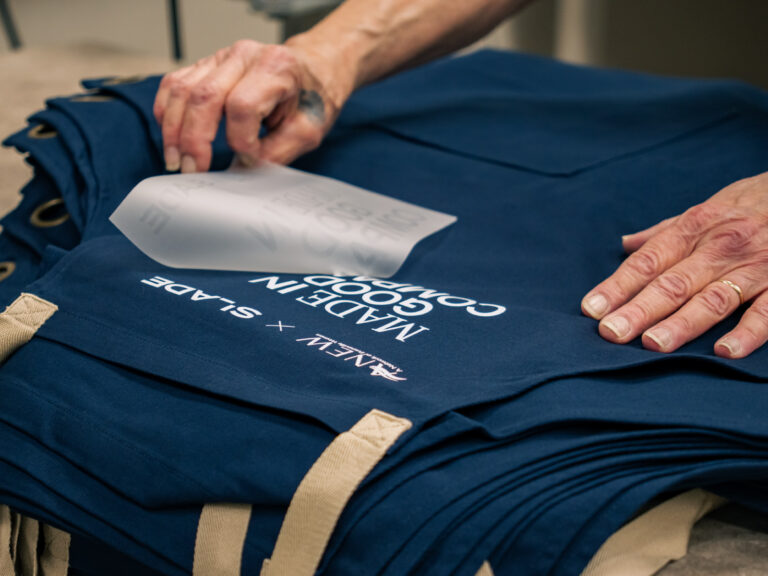
  • Hands peeling transfer film from a navy apron to reveal a white printed design.

    Direct-to-Film (DTF)

    Full-color artwork is printed onto transfer film and heat applied to the garment. Well suited for detailed graphics, multiple colors, smaller quantities, and applications where traditional screen printing may not be the best fit.

Ink Types

Ink can change more than color. Different formulations can affect the texture, finish, visibility, and overall character of a screen-printed design.

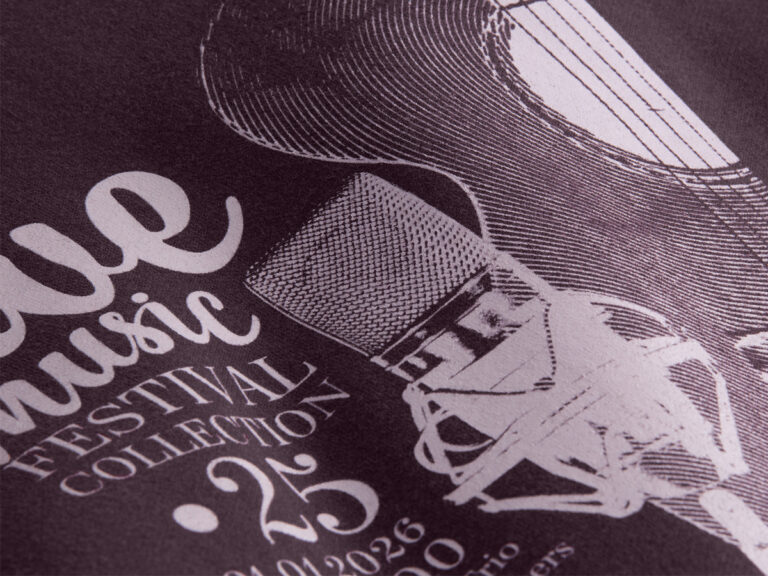
  • Pale lettering and a detailed microphone graphic printed on dark fabric.

    Standard Ink

    The everyday choice for durable, consistent screen printing across T-shirts, sweatshirts, workwear, and other apparel. Provides strong coverage across a wide range of colors and garment types.

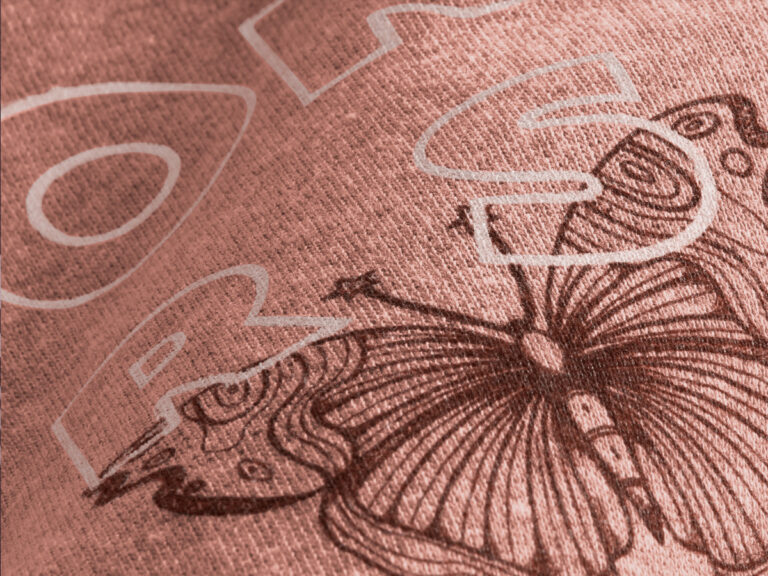
  • Butterfly line art and pale outlined lettering printed on pink fabric.

    Water-Based Ink

    Absorbs into the fabric for a softer feel with less ink sitting on the garment surface. Well suited for apparel where a lighter, more natural hand is preferred.

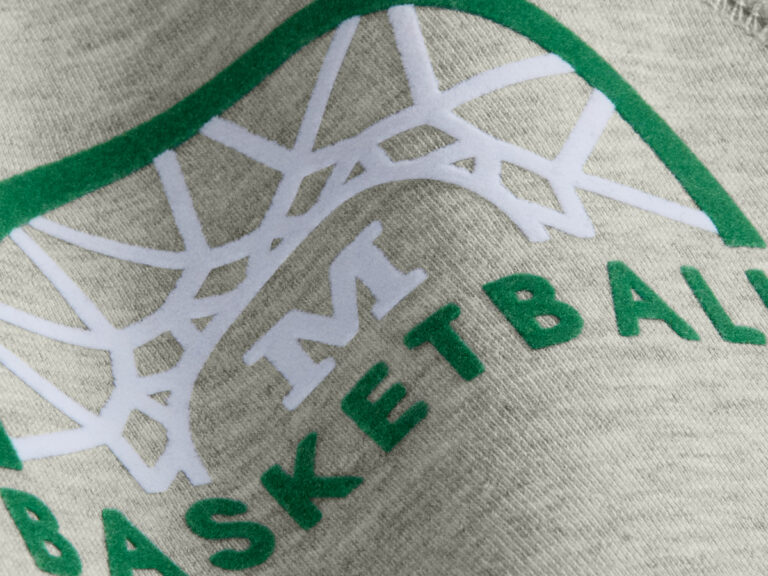
  • Raised white basketball-net design with green lettering printed on gray fabric.

    Puff Ink

    Expands during curing to create raised, dimensional graphics. Common for bold lettering, logos, and design elements where added texture is part of the look.

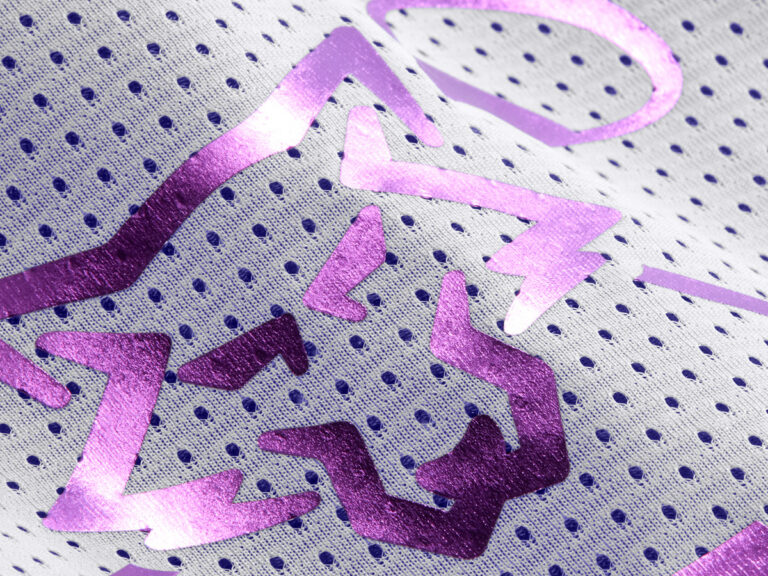
  • Shiny purple lettering and graphics on white mesh fabric.

    Reflective & Foil

    Specialty finishes that add light-reactive or metallic effects to printed apparel. Reflective applications catch and return light, while foil creates a bright metallic surface for logos, lettering, and graphic details.

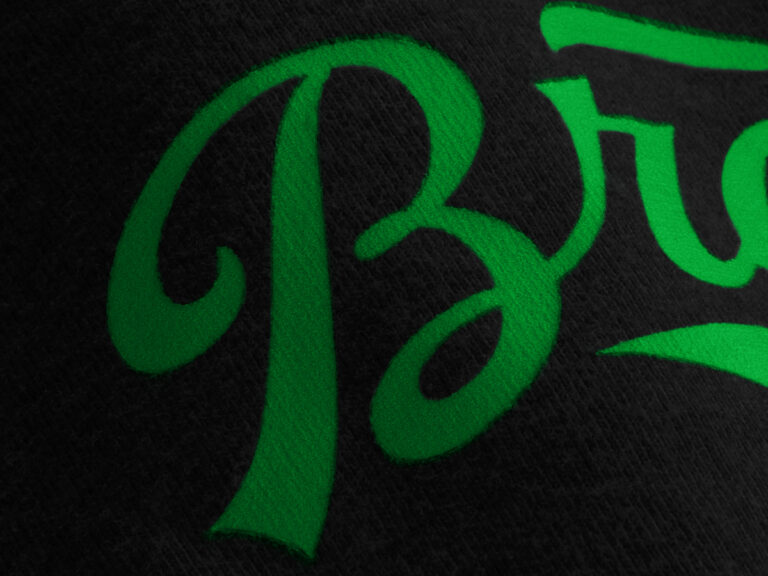
  • Green glow-in-the-dark lettering on black fabric.

    Glow-in-the-Dark Ink

    Absorbs light and produces a visible glow in darker environments. Used for graphics and design elements where an after-dark effect is part of the concept.

Print Placements

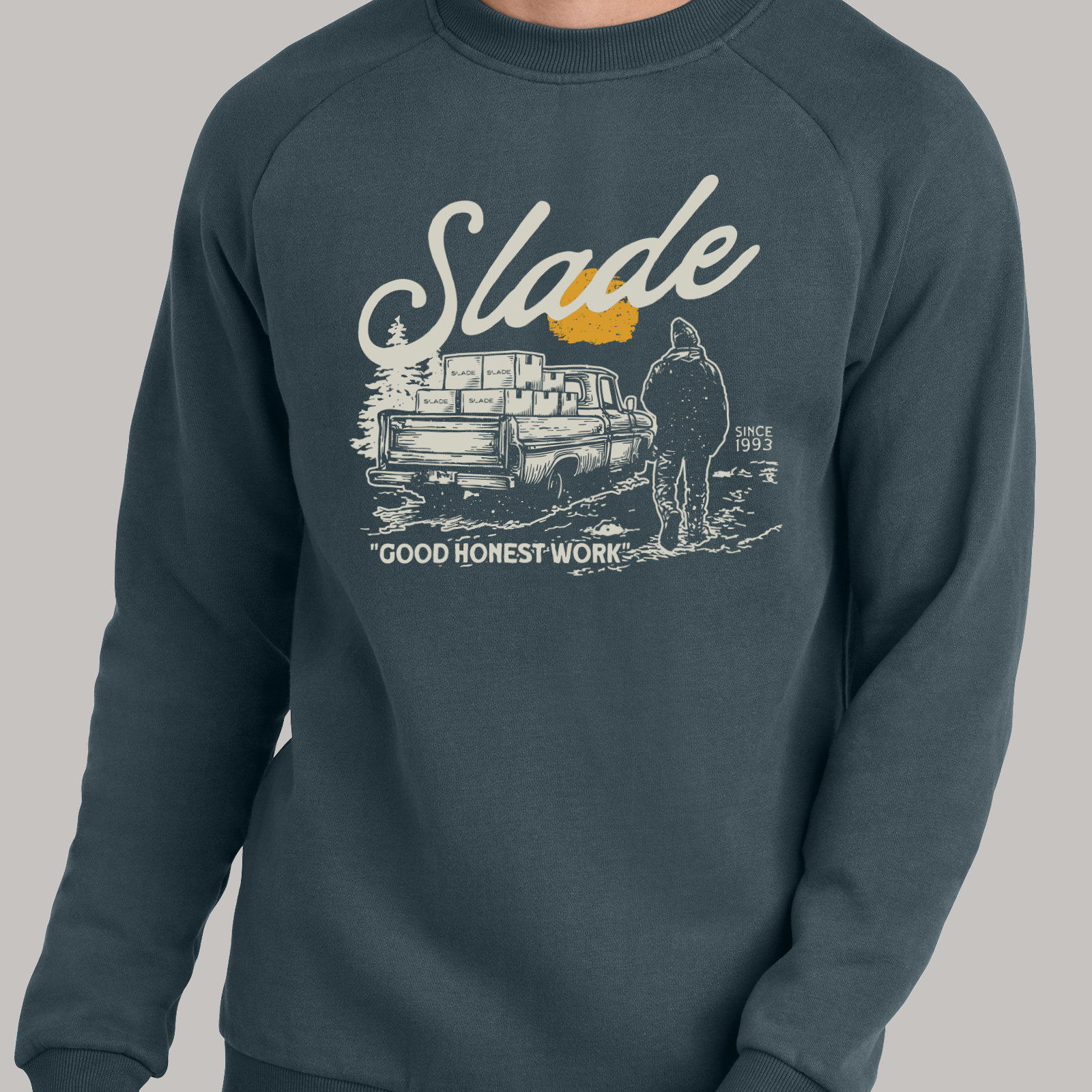
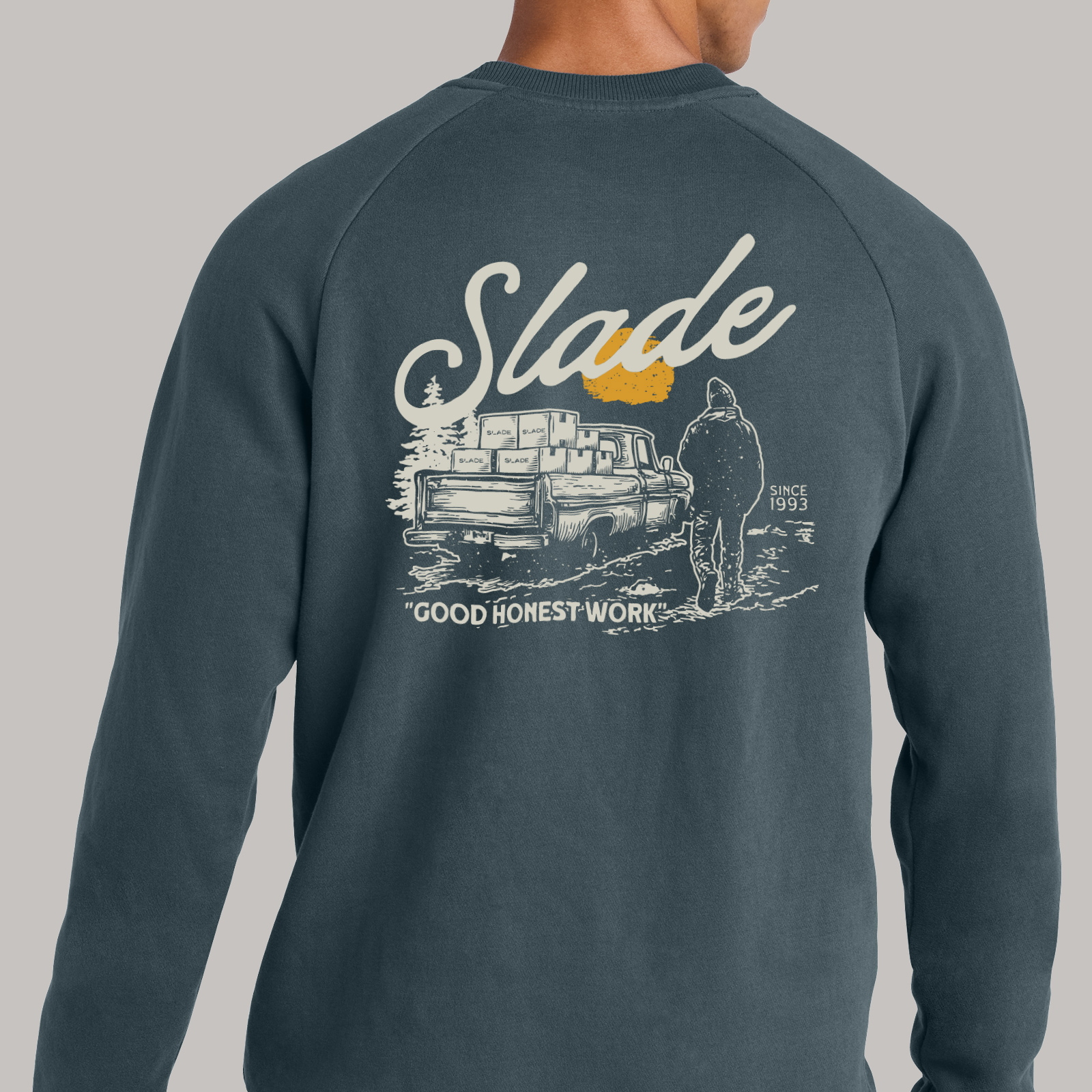
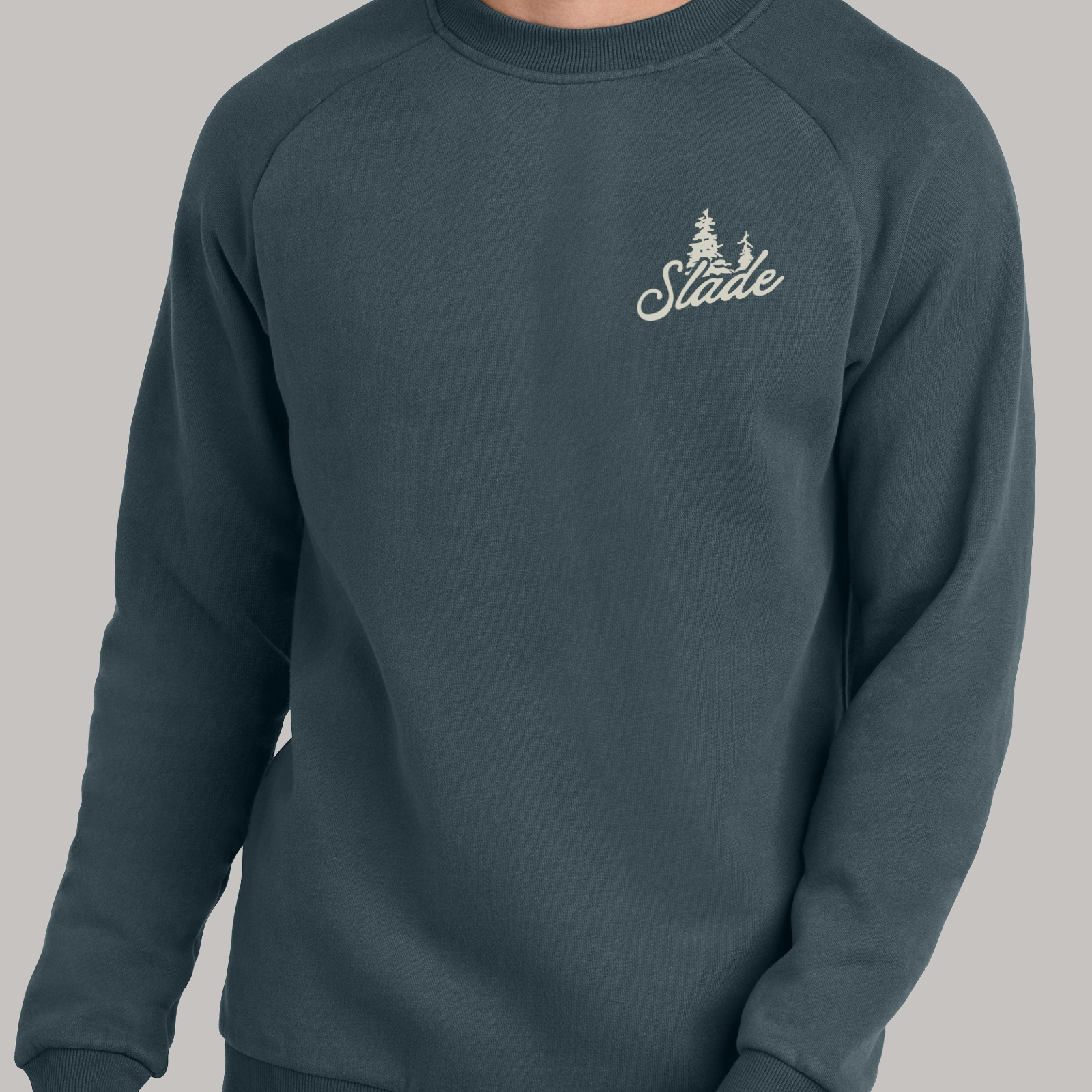
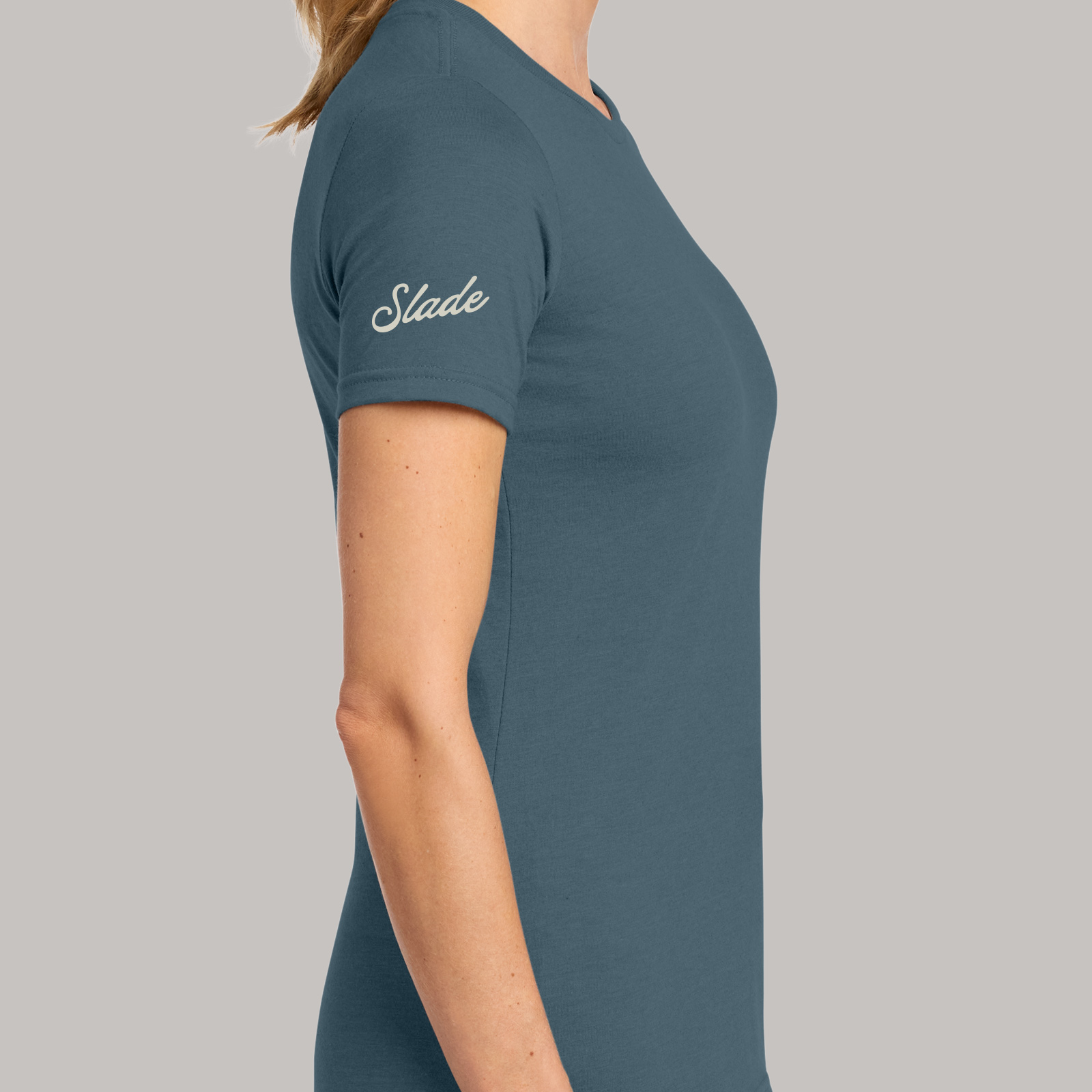
Where artwork sits on the garment can change the entire feel of the design. From a traditional left-chest logo to a full back or sleeve print, placement becomes part of the finished piece.

  1. Full Front

    Large primary artwork centered on the front of the garment.

  2. Full Back

    Large artwork, messaging, sponsors, or branding across the back of the garment.

  3. Left Chest

    Smaller front placement for logos, organization names, and understated brand identification.

  4. Short Sleeve

    Compact placement on either sleeve for secondary logos, sponsors, or supporting graphics.

  5. Long Sleeve

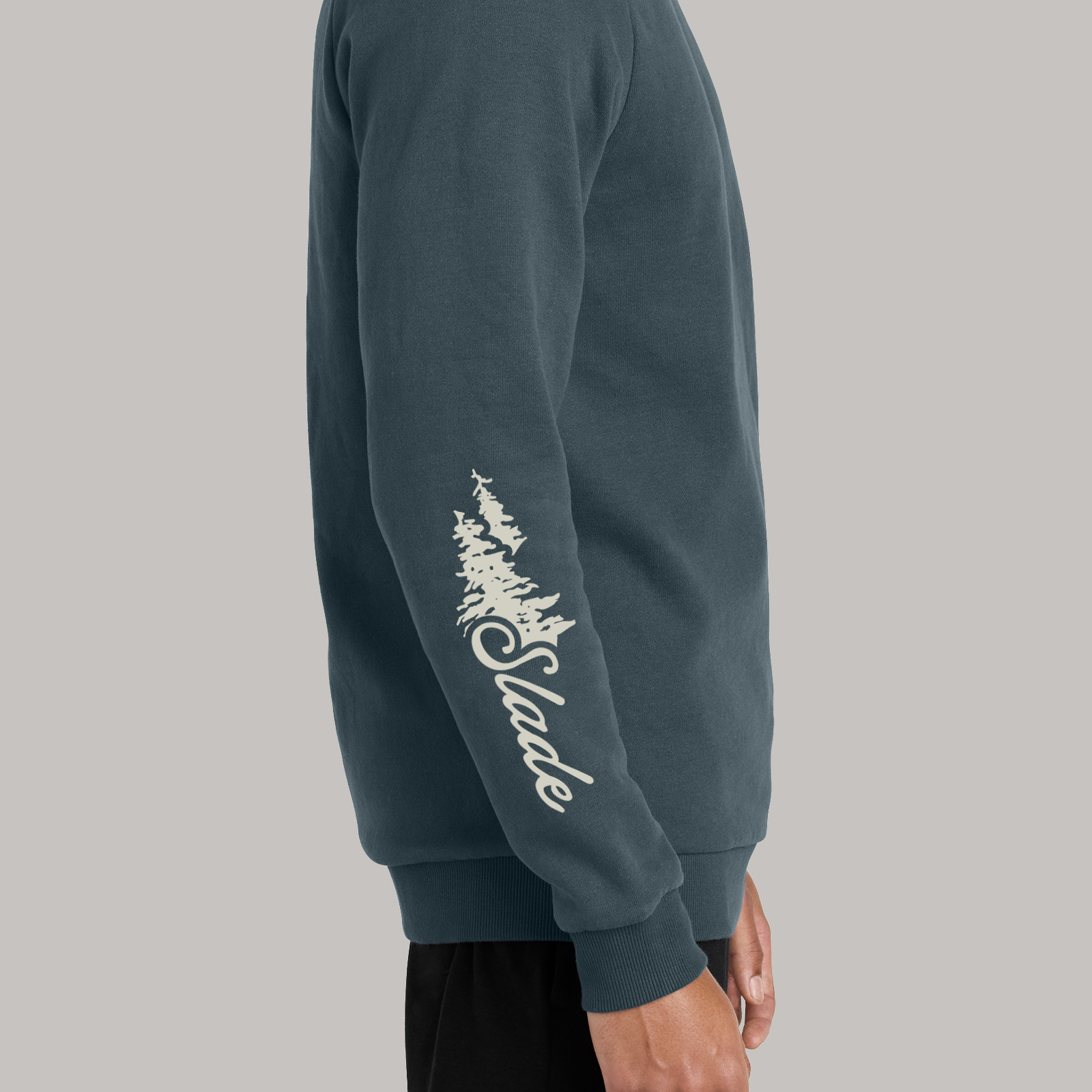
    Artwork or messaging extending along the sleeve for branding or secondary design elements.

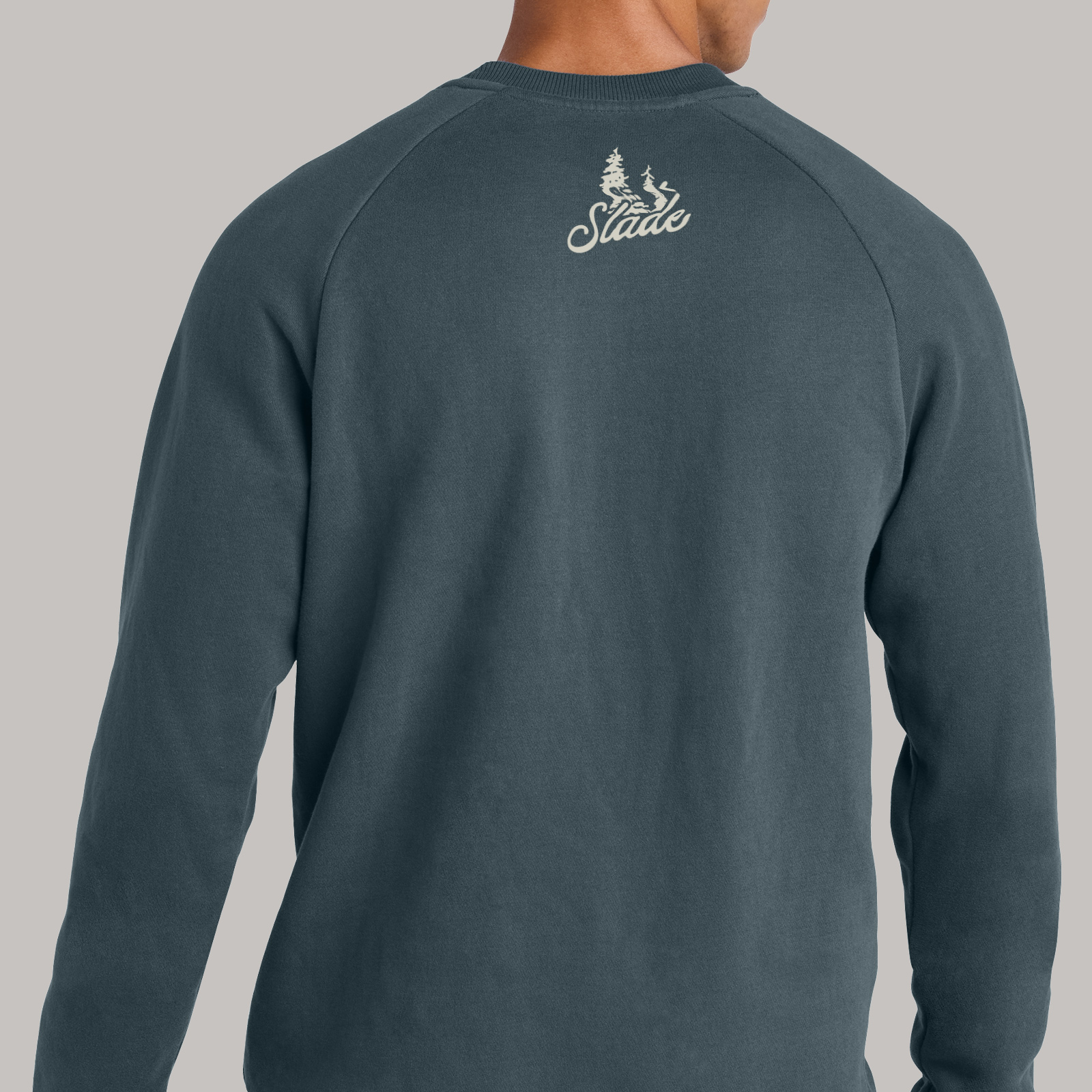
  6. Upper Back

    Smaller print positioned below the back collar for secondary branding, organization names, or supporting marks.

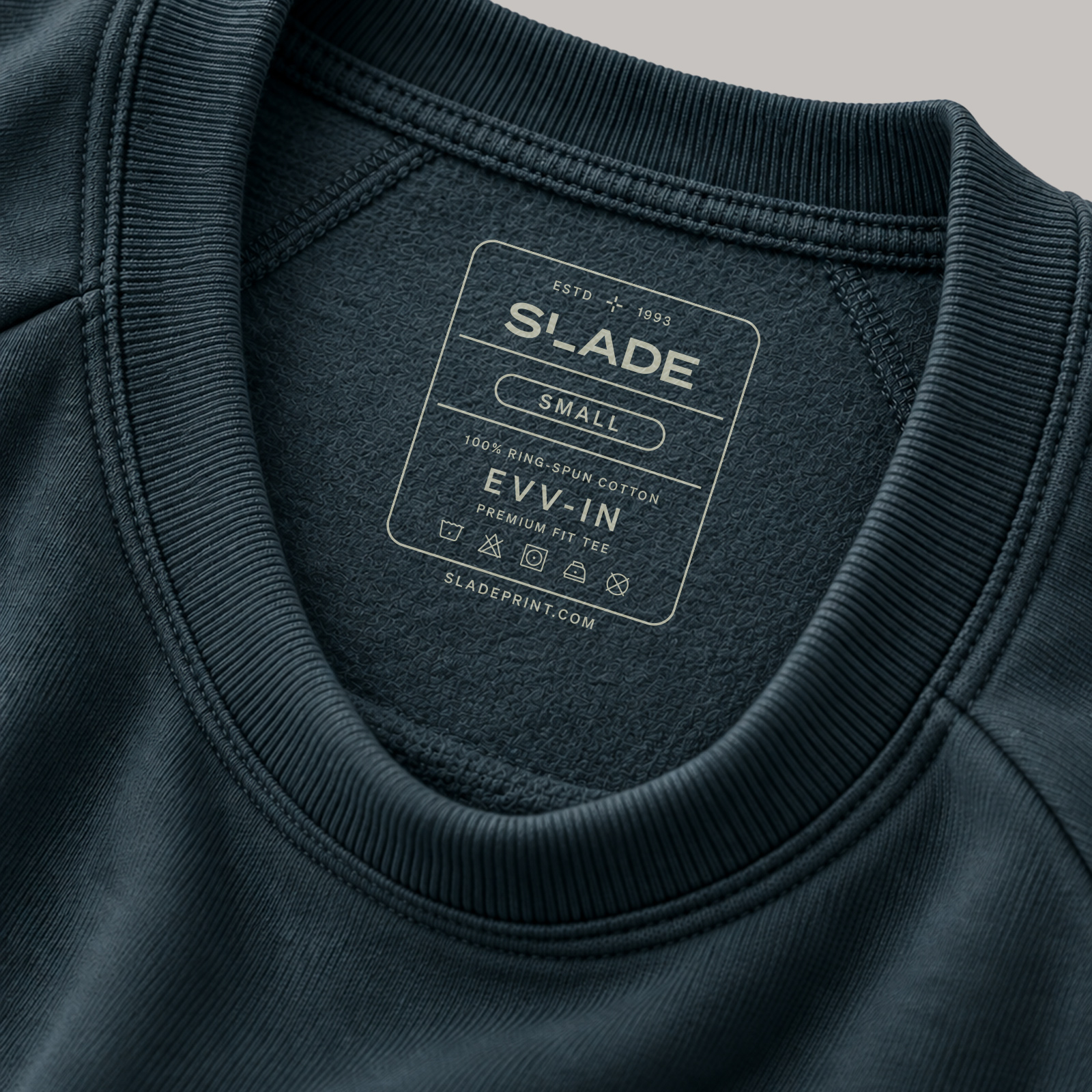
  7. Inside Collar / Shirt Tag

    Interior neck printing for brand marks, sizing, garment information, or custom shirt-tag graphics.

Good questions

Traditional screen printing applies ink directly to the garment using separate screens for each color. DTF prints full-color artwork onto a transfer that is then heat applied. Quantity, artwork, number of colors, garment type, and desired finish all help determine which method makes the most sense.
Yes. For traditional screen printing, ink colors can be managed against established brand color standards to help maintain consistent reproduction across an apparel program.
Not always. Fabric composition, garment color, artwork, and the desired effect can affect which specialty inks are appropriate. We’ll recommend an ink based on the garment and finished result you’re trying to achieve.
Yes. Different inks can produce noticeably different finishes. Water-based inks generally create a softer feel, while puff inks add raised texture and dimension. We’ll recommend an ink based on both the visual effect and how you want the finished garment to feel.
Registration is verified during setup and checked throughout production. First-piece approval ensures accuracy before full run begins. Standards are maintained across the entire run.
Preparation time scales with design complexity. Simple designs can be prepped same-day. Complex multi-color work requires additional preparation time. Rush preparation available when timeline requires it.

Make more of the mark.

From the printing method to the ink and placement, we'll help you choose the right combination to make your artwork work on the garment.